Seen Too Much, Heard Too Little: The Exhausting Reality of Being the Only Latina in the Room

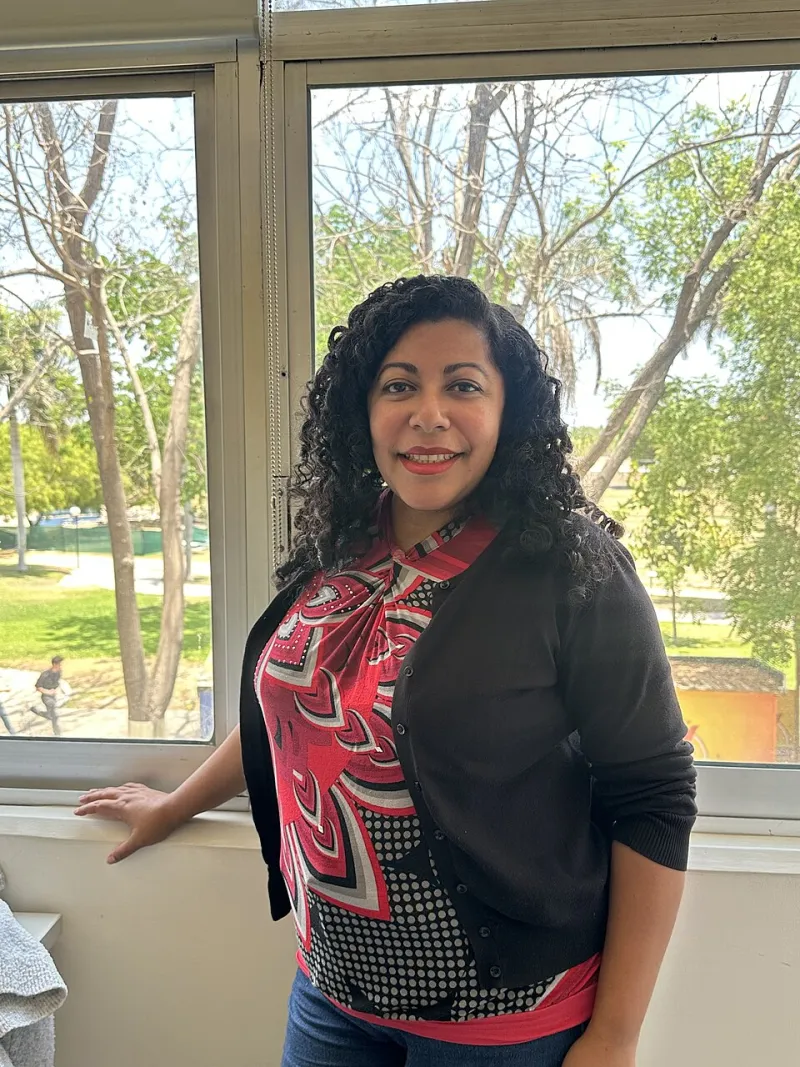
Photo: TAPAS KUMAR HALDER, CC BY-SA 4.0, via Wikimedia Commons
There's a particular kind of exhaustion that doesn't show up on any wellness app. It doesn't respond to green juice or a good night's sleep. It's the bone-deep fatigue that comes from walking into a boardroom, a conference, a strategy meeting — and being the only one who looks like you.
For many Latina leaders across the United States, this is Tuesday.
Being visible in predominantly white professional spaces is often framed as a milestone, a badge of progress. And yes, representation matters. But there's a cost that rarely gets discussed in the LinkedIn posts celebrating "firsts." Call it the visibility tax — the invisible toll that comes with being hyper-seen in rooms that were never built with you in mind.
You're Seen, But Are You Heard?
Here's the contradiction at the heart of it: Latina professionals are often extremely visible in white-majority workplaces, but that visibility doesn't automatically translate into influence. In fact, it can work against you.
When you're the only Latina in the room, you become a symbol before you become a person. Every opinion you share gets filtered through assumptions about what your people think. Every mistake you make feels like it carries extra weight — not just for you, but for every Latina who might come after you. And every success? Often quietly absorbed into the institution without credit.
This is what researchers call the "representative burden" — the unspoken expectation that you speak for an entire community, that you educate your colleagues on diversity issues, that you serve on every inclusion committee while still hitting your KPIs. It's a second job nobody hired you for and nobody's paying you to do.
Executive coach and first-generation Colombian American Marisol Vega has worked with dozens of Latina professionals navigating this exact dynamic. "The women I work with are brilliant," she says. "But so much of their energy is going toward managing perception — how they're being read, whether they're being 'too much' or 'not enough' — rather than just doing the work they were hired to do. That's an enormous drain."
The Hypervisibility Trap
Hypervisibility is its own specific beast. It means being watched more closely, held to a stricter standard, and simultaneously overlooked when it comes to promotions, raises, and credit. It's the experience of being called on to perform your identity — to be the diversity hire, the culture add, the representation win — while your actual expertise takes a back seat.
Dr. Lucia Flores, an organizational psychologist based in Chicago, describes it this way: "Hypervisibility creates a kind of surveillance anxiety. You're always aware that you're being watched, so you self-monitor constantly. You edit yourself. You code-switch. You perform professionalism in ways your white colleagues never have to think about. Over time, that vigilance is genuinely costly to your mental and physical health."
The research backs this up. Studies on minority stress consistently show that the chronic low-grade pressure of navigating predominantly white professional environments contributes to higher rates of anxiety, burnout, and physical health issues among women of color — not because they're less resilient, but because the environment demands more from them.
When Representing Becomes a Burden
One of the most quietly painful aspects of being the only Latina in the room is the pressure to represent. Not just yourself — your family, your community, your culture, your entire demographic.
This pressure often comes from within as much as it comes from outside. Many of us were raised with a deep sense of collective responsibility. We carry our abuelas' sacrifices and our parents' dreams. The idea of failing publicly feels like it has higher stakes.
But here's the truth that took some of us years to learn: you are not a spokesperson. You are a person.
Entrepreneur and activist Camila Restrepo, who founded a Latina-led tech startup in Austin, put it plainly: "I spent the first two years of my career trying to be a perfect ambassador for my community. I was terrified to mess up because I thought it would reflect on every Latina behind me. What that actually did was make me smaller. I stopped taking risks. I stopped being bold. The moment I gave myself permission to just be a flawed, ambitious human being — that's when I actually started leading."
Practical Strategies for Staying Powerful Without Burning Out
So how do Latina leaders actually navigate this without losing themselves? Here's what the women doing it successfully have learned:
Build your own squad, inside and outside the building. Lateral mentorship — connecting with other Latinas and women of color at your level — is as important as finding a sponsor above you. These are the people who get it without explanation. They restore your energy instead of draining it.
Name the tax when you can. Not every situation calls for a confrontation, but when you're in a safe enough space, naming the dynamic out loud — "I've noticed I'm the one being asked to represent the diversity perspective here" — can shift the energy in a room and relieve you of a burden that was never yours to carry alone.
Protect your bandwidth like it's a business asset. Because it is. Saying no to the fourth DEI committee in a row isn't letting your community down. It's preserving the capacity you need to actually lead. You cannot pour from an empty cup, and no amount of cultural guilt should convince you otherwise.
Separate visibility from validation. Being seen in a room is not the same as being valued. Learn to measure your worth by your own metrics — your growth, your impact, your integrity — not by how much the institution acknowledges you.
Invest in therapy or coaching that gets your specific context. General wellness advice was not designed with your experience in mind. Find support from professionals who understand the intersection of race, gender, and professional ambition — because the strategies that work for everyone else might not be built for you.
Showing Up on Your Own Terms
The goal isn't to disappear from these rooms. The goal is to walk in without having to pay a toll every single time.
That means redefining what "showing up powerfully" looks like. It doesn't have to mean being on, performing, or carrying the weight of representation every moment. It can mean being strategic about where you spend your energy. It can mean building allies who help distribute the load. It can mean deciding that your presence is enough — that you don't have to educate, explain, or justify yourself to earn your place.
Because here's what the women who've been doing this the longest will tell you: the rooms need you more than you need them. And once you really believe that, the tax gets a little lighter.
You were not put in that room to survive it. You were put there to change it — on your timeline, in your way, without burning yourself to the ground in the process.
That's the assignment, mija. And you're more than qualified.