Bubble Baths Won't Save Us: It's Time to Stop Selling Latinas Self-Care and Start Demanding Real Change
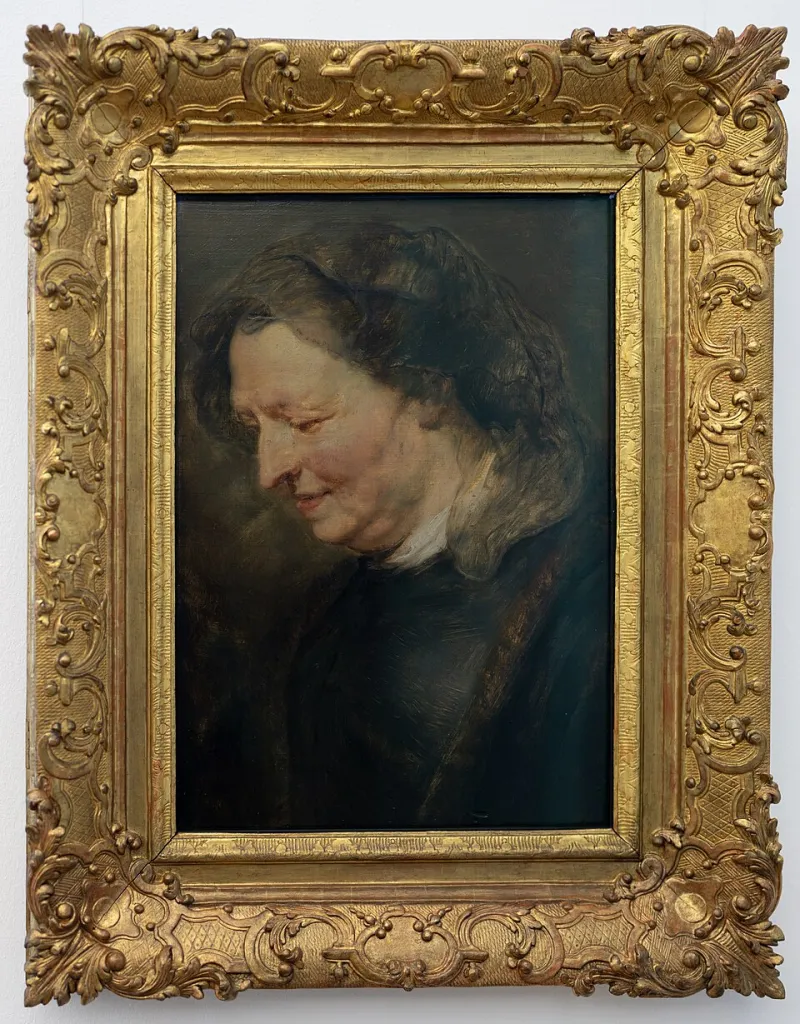
Photo: GoldenArtists, CC BY 4.0, via Wikimedia Commons
Somewhere between the third "you can't pour from an empty cup" Instagram reel and the fourteenth email newsletter promising that a $78 adaptogen supplement will cure your burnout, I had a thought: What if the cup isn't the problem? What if the problem is that someone keeps drilling holes in the cup and telling us to drink faster?
Self-care, as a concept, started in a genuinely radical place. Audre Lorde wrote about it as an act of political warfare — a way for Black women to preserve themselves in a society designed to consume them. That's powerful. That's real. But somewhere between Lorde and the current wellness industrial complex, self-care got sanded down into a consumer product — and Latinas are being sold a particularly expensive and ineffective version of it.
The Burnout Is Real. The Cure They're Selling Is Not.
Latinas in the US are burning out at alarming rates. We're overrepresented in essential and service-sector jobs that offer little flexibility and even less recognition. In professional settings, we face the compounding weight of racial and gender bias — earning just 57 cents for every dollar paid to white, non-Hispanic men, according to the National Women's Law Center. We're expected to be endlessly competent at work, endlessly nurturing at home, and endlessly gracious about both.
And then, on top of all of that, we're told the solution is a morning routine.
The wellness industry — valued at over $5.6 trillion globally — has become extraordinarily good at repackaging systemic problems as personal failures. Stressed out? That's a mindfulness deficit. Exhausted? You're not prioritizing sleep hygiene. Resentful and depleted? Time to journal about your boundaries. The implicit message is always the same: you are the variable that needs adjusting. The workplace, the family structure, the cultural expectations — those are just the environment. You adapt.
For Latinas specifically, this framing lands in particularly loaded territory.
The Marianismo Trap and the Wellness Rebrand
Most of us grew up with some version of marianismo — the cultural expectation that Latinas should be selfless, sacrificial, endlessly giving. La familia comes first, always. Your needs are a luxury. Suffering quietly is a virtue. This framework has done real damage across generations, contributing to delayed medical care, suppressed mental health needs, and a deeply internalized belief that rest must be earned.
Here's the uncomfortable truth: mainstream wellness culture hasn't dismantled that framework. It's just given it a rebrand with better packaging.
Instead of suffering for your family, now you're suffering for your "hustle." Instead of martyrdom being framed as devotion, it's framed as ambition. The face mask and the meditation app are offered as pressure valves — just enough relief to keep you functional, but not enough to make you stop and ask why you're this depleted in the first place.
Self-care, as it's currently sold, keeps us individually coping rather than collectively demanding.
What We Actually Need: Let's Get Specific
So if bubble baths aren't the answer, what is? Let's get into it — because this isn't just a critique piece. It's a call to something better.
Workplaces that don't require us to be superhuman. We need paid family leave that actually covers the caregiving realities of multigenerational households. We need flexible work policies that don't penalize people — disproportionately women of color — for having lives outside the office. We need pay equity enforced, not just discussed at DEI panels. And we need Latina women in leadership positions with actual authority, not just symbolic titles.
Community structures that redistribute the labor. The invisible labor of emotional support, family coordination, and community maintenance falls heavily on Latina women. This isn't just a personal negotiation — it's a cultural pattern that needs collective examination. Community care models, mutual aid networks, and intergenerational conversations about who carries what are not soft, optional extras. They are infrastructure.
Mental health access without the stigma tax. Therapy and mental health support remain inaccessible for many Latinas — financially, linguistically, and culturally. We need culturally competent, Spanish-language mental health resources at scale, not just a hotline number buried at the bottom of a webpage. And we need to keep dismantling the shame that still surrounds seeking help in many of our communities.
Political engagement as self-preservation. The policies that govern our workplaces, our healthcare, our immigration status, our reproductive rights — these are not separate from our wellness. They are foundational to it. Voting, organizing, and demanding political representation aren't just civic duties. For Latinas, they are survival strategies.
The Radical Act of Refusing to Just Cope
There is something genuinely subversive about a Latina who refuses to just manage her burnout and instead asks why it exists. Who stops optimizing her resilience and starts questioning why so much resilience is required of her. Who looks at the wellness industry's promises and says, respectfully: that's not enough.
This doesn't mean throwing out every good habit or healthy practice. Sleep matters. Movement matters. Joy matters. Connection matters. But these things work best as foundations of a sustainable life — not as band-aids on a structural wound.
The Wise Latina Club exists because we believe in the collective power of our community. And collective power isn't built on individual coping strategies. It's built on shared demands, mutual support, and the radical insistence that we deserve systems — not just habits — that actually work for us.
So yes, take care of yourself. Rest when you can. Protect your peace. But don't let anyone convince you that your peace is entirely your own responsibility to manufacture in a world that keeps taking it from you.
The bubble bath is lovely. The systemic change is necessary. Let's want both — and fight like hell for the one that actually lasts.